
The Art of Becoming Whole

A Research-Backed Guide to Building Unshakable Self-Worth
(Not Just Self-Esteem)
Inspired by the work of Brené Brown, Gabor Maté, Kristin Neff, Brianna Wiest, Vex King, Jay Shetty, Charlotte Freeman, and Jillian Turecki
If your confidence collapses the moment you fail, get rejected, or fall short — you don’t have a self-esteem problem.
You have a self-worth foundation problem.
Self-esteem is conditional.
Self-worth is inherent.
This guide will help you:
Understand the difference between self-esteem and self-worth
Identify how trauma and conditioning shaped your identity
Recognize gendered worth scripts
Understand the neuroscience of shame
Rewire self-sabotage patterns
Build daily practices that create stable, embodied worth
If you’ve built success but still feel not enough — this is for you.
The Invisible Hunger
There is a quiet hunger many people carry.
It doesn’t always look like insecurity.
Sometimes it looks like ambition.
Sometimes like perfectionism.
Sometimes like people-pleasing.
Sometimes like emotional withdrawal.
Sometimes like constant productivity.
Sometimes like needing to be chosen.
But beneath all of it is one question:
Am I enough?
Not enough at work.
Not enough in relationships.
Not attractive enough.
Not successful enough.
Not strong enough.
Not lovable enough.
This question is not about confidence.
It is about worth.
And most of us were never taught the difference.
The Critical Distinction
Self-Esteem vs. Self-Worth
This distinction changes everything.
Self-Esteem: Conditional Value
Self-esteem is how you evaluate yourself.
It rises when:
You succeed
You receive praise
You are desired
You outperform others
You look good
You feel competent
It drops when:
You fail
You are criticized
You are rejected
You compare yourself unfavorably
You make mistakes
Self-esteem asks:
“How well am I doing compared to expectations?”
It is performance-based.
It is comparative.
It fluctuates.
You can build high self-esteem and still feel deeply insecure.
Self-Worth: Inherent Value
Self-worth is the belief that you are valuable simply because you exist.
It does not depend on:
Success
Productivity
Attractiveness
Income
Relationship status
Social approval
Self-worth says:
“Even when I fail, I am still worthy of love and belonging.”
It is stable.
It is unconditional.
It does not require comparison.
Why This Difference Matters
Research on self-compassion by Kristin Neff demonstrates that individuals with strong internal worth:
Take more responsibility after mistakes
Experience lower anxiety and depression
Show greater resilience
Maintain motivation without harsh self-criticism
In short:
Self-esteem says, “I’m good when I win.”
Self-worth says, “I’m worthy whether I win or lose.”
How We Lose Our Sense of Worth
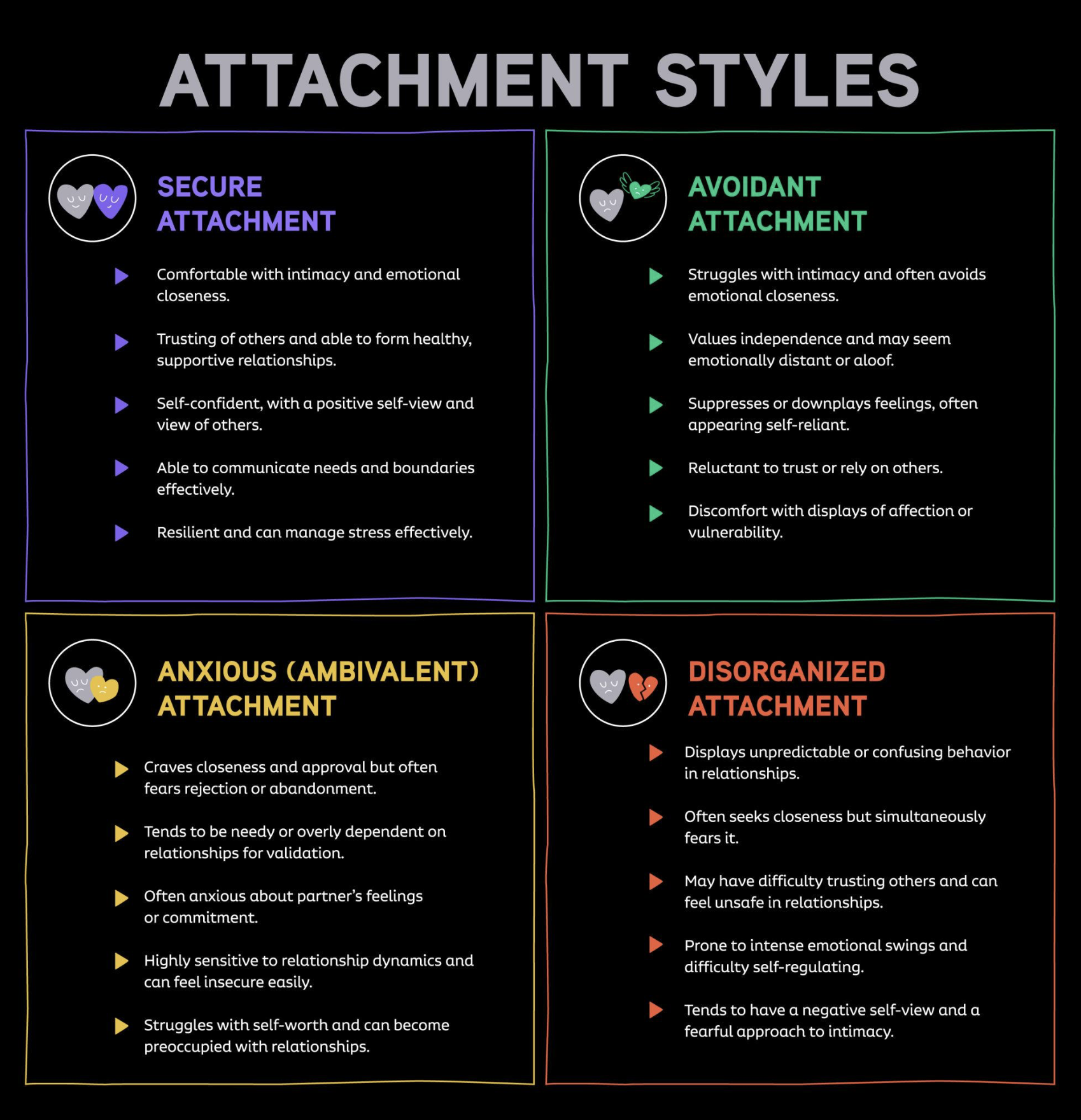
Childhood Conditioning & Adaptive Identity
According to Gabor Maté, trauma is not only what happens to us — it’s what happens inside us as a result.
Children must choose between two core needs:
Attachment
Authenticity
Attachment always wins.
If expressing your feelings risks disconnection, you suppress them.
If performing earns praise, you perform.
If being quiet avoids conflict, you become invisible.
If excelling earns love, you become exceptional.
These adaptations help you survive.
But survival strategies often become identity.
And identity built on survival often whispers:
“I must be something to deserve love.”
The Gendered Scripts of Worth
Self-worth struggles are universal.
But cultural conditioning shapes how they appear.
Women and Worth
Research consistently shows adolescent girls experience a sharper drop in self-esteem during puberty.
Contributing factors include:
Body image pressure
Relational comparison
Social approval
Sexualization
Cultural expectations of agreeableness
Common Worth Myth:
“If I am beautiful, needed, chosen, and pleasing — I will be valuable.”
This creates patterns such as:
People-pleasing
Over-functioning in relationships
Fear of abandonment
Tying identity to desirability
Men and Worth
Men are often socialized around:
Achievement
Financial provision
Emotional restraint
Strength
Sexual conquest
Common Worth Myth:
“If I am successful and strong, I am valuable.”
Research shows:
Men report lower emotional expression
Suicide rates are significantly higher among men
Emotional suppression correlates with depression and substance abuse
Many men struggle silently because vulnerability has been culturally framed as weakness.
The Shame Core
According to Brené Brown, shame is the intensely painful belief:
“I am flawed and therefore unworthy of love and belonging.”
Guilt says: “I did something bad.”
Shame says: “I am bad.”
When shame becomes internalized, it creates:
Perfectionism
Hyper-achievement
Emotional shutdown
Relationship anxiety
Control behaviors
Shame thrives in secrecy.
Self-worth grows in truth.
Myths and Truths About Self-Worth
Myth 1: Confidence Comes First
Truth: Confidence follows action. Self-worth precedes it.
Myth 2: Achievement Heals Insecurity
Truth: Achievement boosts esteem — temporarily.
Research on contingent self-worth shows when identity is tied to achievement, failure becomes devastating.
Myth 3: Self-Compassion Is Weakness
Research shows the opposite.
Self-compassion:
Increases accountability
Reduces procrastination
Improves emotional regulation
Enhances motivation
Harsh self-criticism activates the threat system.
Self-compassion activates the soothing system.
This is neurobiological — not just philosophical.
The Neuroscience of Worth
When you experience shame:
The amygdala activates
Cortisol rises
Defensive behaviors increase
When you practice self-compassion:
The parasympathetic nervous system engages
Oxytocin increases
Emotional regulation improves
Worth is not abstract.
It is embodied.
Relationships as a Mirror
According to Jillian Turecki, relationships amplify self-worth wounds.
Low self-worth looks like:
Accepting breadcrumbs
Over-explaining
Fear of expressing needs
Staying in misalignment
Healthy self-worth looks like:
Boundaries without guilt
Leaving without drama
Calm communication
Self-trust
You cannot negotiate your worth in a relationship.
You can only embody it.
Self-Sabotage and Identity
Brianna Wiest writes about self-sabotage as the conflict between who you are and who you believe you deserve to be.
If you do not feel worthy of peace, you create chaos.
If you do not feel worthy of love, you push it away.
If you do not feel worthy of success, you procrastinate.
Your nervous system will sabotage what feels unfamiliar — even if it’s good.
The Practical Architecture of Unshakable Self-Worth
1. Separate Identity From Behavior
“I made a mistake.”
Not: “I am a failure.”
2. Practice Daily Self-Compassion
Ask: “What would I say to someone I love right now?”
3. Stop Performing for Validation
Notice where you overwork, overshare, or overgive.
Choose alignment over applause.
4. Build Integrity
Broken promises to yourself erode worth.
Kept commitments rebuild it.
5. Heal Attachment Patterns
Secure attachment can be developed through therapy, safe relationships, and regulation practice.
6. Tolerate Discomfort
Self-worth means tolerating disapproval, rejection, and conflict without abandoning yourself.
The Daily Practices That Rewire Worth
Morning:
Affirm inherent worth.
Journal emotional state.
Midday:
Notice comparison triggers.
Pause before self-criticism.
Evening:
Reflect on integrity.
Offer forgiveness for imperfections.
Consistency rewires neural pathways.
The Ultimate Shift
You stop asking:
“Am I enough?”
And begin living from:
“I am.”
Not perfect.
Not superior.
Not flawless.
Just worthy.
Closing Reflection
Self-worth is quiet.
It does not need to prove.
It does not need to compete.
It does not need to perform.
It simply stands.
And from that stillness:
Confidence becomes natural.
Relationships become healthier.
Work becomes purposeful.
Failure becomes tolerable.
You do not build worth.
You remember it.
Ready to Strengthen the Foundation — Not Just Your Confidence?
If you’ve built success but still feel:
Driven by perfectionism
Afraid of rejection
Tethered to performance
Exhausted from proving
You are not broken.
You likely built competence before you built worth.
At Psych Collective, we help individuals move from emotionally overwhelmed to emotionally secure.
That means:
Regulating your nervous system instead of criticizing it
Healing shame at its root
Building boundaries without guilt
Developing identity beyond achievement
Here’s How to Begin
Schedule a Free Consultation
Get matched with the right therapist
Begin building emotional steadiness from the inside out
You don’t have to wait for collapse to rebuild your foundation.
Book your free consultation today.
Your worth was never conditional.
Let’s help you live like it.
